
When was the last time you really looked at your sofa?
Not the cushions you flip, not the throw you wash. The actual fabric.
In many Irish homes, the couch gets more use than the kitchen table. Kids jump, dogs nap, and tea spills. Yet upholstery cleaning is often pushed down the list until stains shout for attention.
This piece of content breaks down why regular upholstery cleaning is not a luxury. It is basic home care. You will learn how it affects health, air quality, furniture life, and even your wallet.
Upholstery in Irish Homes Takes a Beating
Ireland’s climate plays a quiet role here.
We deal with:
• High humidity
• Damp winters
• Closed windows for long stretches
Soft furniture loves to trap moisture. Add body oils, crumbs, pet hair, and dust, and you have the perfect place for bacteria and allergens to settle in.
A European indoor air quality study found that soft furnishings can hold up to four times more dust and allergens than hard surfaces. Upholstery is not just fabric; it’s a sponge.
Health Comes First, Always
Hidden allergens live deep in the fabric
Vacuuming helps, but it only reaches the surface.
Deep inside the fibres sit:
• Dust mites
• Pollen
• Pet dander
• Mould spores
For families with asthma or allergies, this matters a lot. Many Irish parents notice fewer sniffles and night coughs after a professional upholstery clean.
Cleaner furniture means cleaner air
Every time someone sits down, particles puff back into the air. Clean upholstery reduces this cycle. It supports better indoor air quality, especially during winter when homes stay sealed.
Furniture Lasts Longer When You Clean It
This part surprises people.
Dirt is sharp, and over time, it rubs against fibres and breaks them down. That is why sofas start to look flat, dull, or worn, even when there are no big stains.
Regular upholstery cleaning:
• Keeps fibers strong
• Maintains color
• Prevents early sagging
Think of it like washing clothes. You would not wear the same jumper for five years without washing it. Furniture is no different.
Replacing a sofa in Ireland can cost thousands. Cleaning costs a fraction of that.
Stains Are Easier to Remove When You Act Early
Old stains set because they bond with the fabric, and they darken with time.
Professional cleaners see this every week. A wine spill from last night lifts easily. A spill from last year may never fully go away.
Regular cleaning stops stains from becoming permanent. It also removes the oils you cannot see, the ones that slowly darken armrests and headrests.
A Real Irish Example
A family in South Dublin had their fabric corner sofa cleaned after years of light vacuuming only. They had two kids and a dog, and then the result surprised them.
The water pulled from the sofa was dark grey. After cleaning, the room smelled fresher. The fabric felt softer, and the dog stopped scratching as much on the cushions. Small changes, but very real ones.
How Often Should Upholstery Be Cleaned?
Here is a simple guide that works well for Irish homes:
Every 6 to 12 months, if you have:
• Children
• Pets
• Allergies
Every 12 to 18 months, if you:
• Live alone
• Rarely use the furniture
• Have leather upholstery
High-use homes should lean toward more frequent cleaning. Waiting too long makes the job harder and less effective.
DIY vs Professional Upholstery Cleaning
Home sprays and rental machines have limits.
They often:
• Leave soap residue
• Push dirt deeper
• Over-wet the fabric
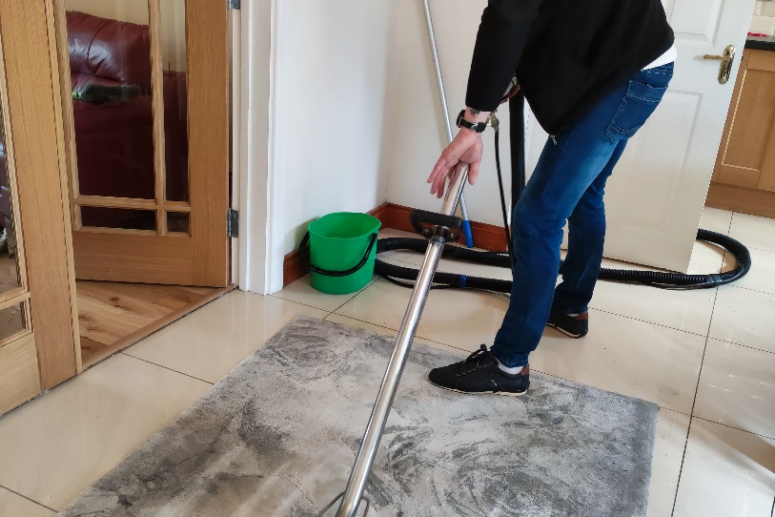
Professional upholstery cleaning uses controlled moisture, proper extraction, and fabric-safe solutions. That matters in Ireland’s damp climate, where slow drying can lead to odours or mould.
For light upkeep, vacuum weekly and blot spills fast. For deep cleaning, bring in a trained cleaner.
Signs Your Upholstery Needs Cleaning Right Now
You do not need a professional eye to spot when upholstery is overdue. Most homes show the signs early. We just learn to ignore them.
Look out for these common red flags:
• Fabric looks dull or darker in places
Armrests, headrests, and seat edges collect oils first. If those areas look shaded, dirt is already deep in the fibers.
• Smells that do not go away
Smells of mustiness or staleness of the room remain even after being aired. That is usually a sign of stagnant moisture and bacteria.
• You sneeze more on the sofa
If symptoms flare up when you relax, allergens are likely hiding in the fabric.
• Stains keep reappearing
Old spills can resurface as brown or grey patches. This means the residue was never fully removed.
All those are typical in Irish households and usually occur after winter. It is more effective, safer, and quicker to clean them at an early stage.
Closing Remarks and Next Steps
Frequent cleaning of the upholstery is not concerned with appearance. It is regarding health, comfort, and saving what you have already paid. Clean furniture supports cleaner air, and it lasts longer. It feels better to sit on.
If your sofa has not been cleaned in over a year, now is a good time to act.
Reach out to Sandyford Carpet Cleaning to book a professional upholstery clean and bring your furniture back to life.
When was the last time your sofa got the care it deserves?